



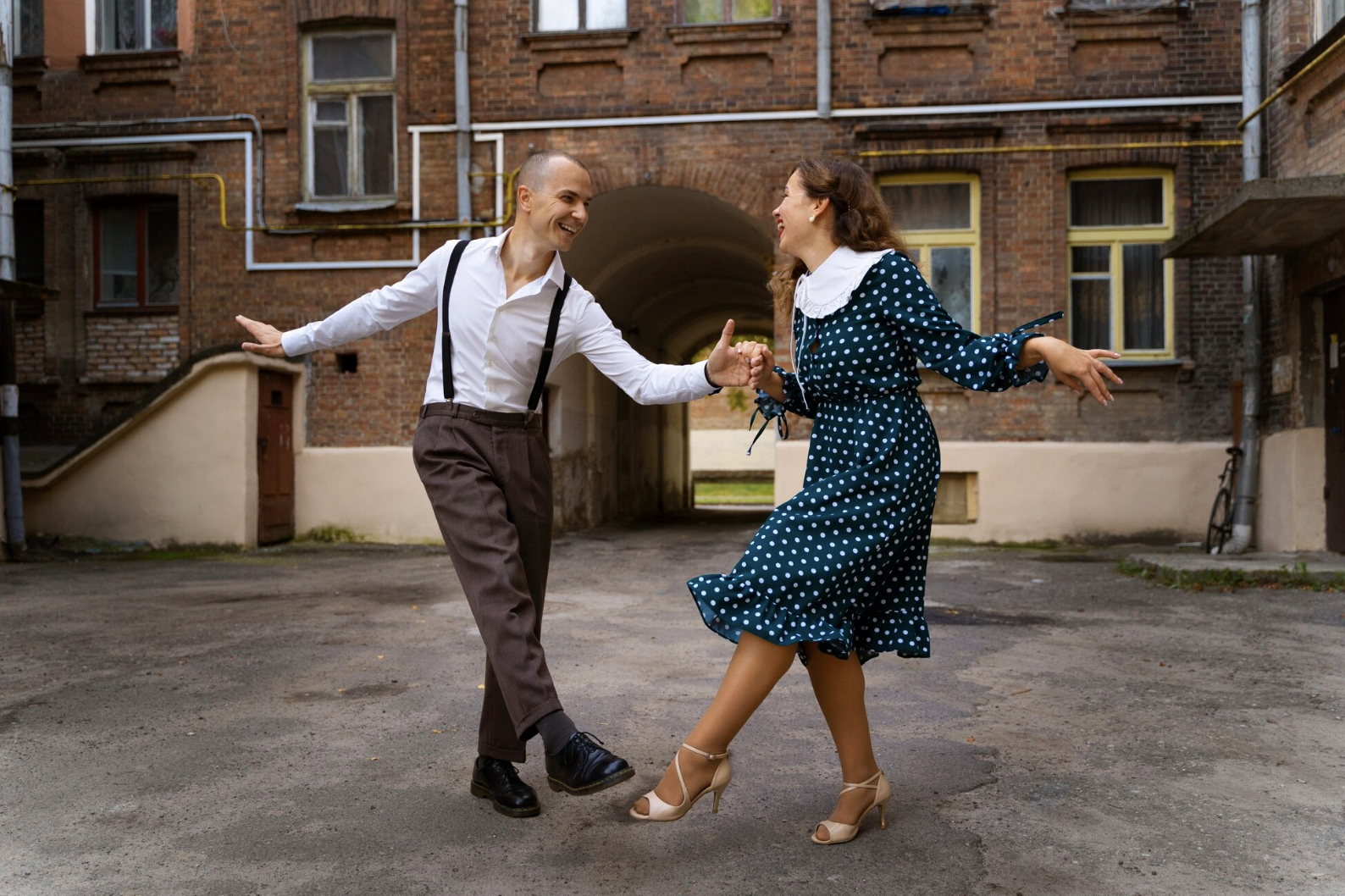
Walking into your first social dance swing event can be exciting. The music is energetic, dancers are smiling, and the atmosphere feels welcoming. But like any social activity, swing dancing comes with its own set of unwritten rules that help everyone enjoy the experience safely and comfortably.
Whether you’re exploring modern dancing as a new hobby or attending your first swing social in Singapore, understanding dance floor etiquette can make a huge difference. Good etiquette isn’t about being formal. It’s about creating an environment where everyone feels respected, included, and confident enough to dance.
Here’s what every swing dancer in Singapore should know before stepping onto the floor.
What Is Social Dance Swing?
Social dance swing refers to partner dances that are enjoyed in social settings rather than competitions or performances. Popular styles include Lindy Hop, West Coast Swing, Charleston, and Balboa.
Unlike choreographed routines, social swing dancing focuses on connection, musicality, and interaction with different partners throughout the evening.
This is why etiquette matters. The quality of a social dance community is often defined not by how well people dance, but by how respectfully they treat one another.
- Always Ask Before You Dance
One of the most important principles in swing dancing is consent.
Before inviting someone onto the dance floor, simply ask.
A polite “Would you like to dance?” is all it takes.
If someone declines, accept their answer gracefully and move on. Nobody owes an explanation, and a respectful response helps maintain a positive atmosphere.
Just as importantly, dancers can stop a dance at any point if they feel uncomfortable, tired, or simply no longer wish to continue.
- Dance Floor Safety Comes First
Swing dancing can be energetic, especially during fast songs. However, social dance floors often become crowded, making awareness essential.
Good dancers are constantly aware of their surroundings.
This means:
- Keeping movements controlled
- Avoiding large kicks and wild arm movements
- Being mindful of nearby couples
- Adjusting movement size based on available space
If you accidentally bump into someone, stop immediately, apologize, and make sure they’re okay.
One common mistake among beginners is attempting aerials or lifts during social dances. These moves may look impressive, but they belong in performances, competitions, or supervised practice sessions, not crowded social floors.
- Good Hygiene Makes Everyone’s Experience Better
Partner dancing naturally involves close interaction. Maintaining good personal hygiene is one of the easiest ways to show respect for fellow dancers.
Before attending a social event:
- Wear clean clothing
- Use deodorant
- Brush your teeth
- Bring a spare shirt if needed
- Carry a small towel
Strong perfumes and colognes should be avoided. What smells pleasant to one person may be overwhelming to another, especially during extended dancing.
Many experienced dancers also bring dedicated dance shoes that are only worn indoors. This helps keep dance floors clean and reduces wear on the surface.
- Avoid Becoming an Unwanted Instructor
Many new dancers assume they’re helping when they offer corrections or advice.
In reality, unsolicited feedback is one of the quickest ways to make someone uncomfortable.
Unless someone specifically asks for guidance, focus on enjoying the dance rather than teaching. Social events are meant for connection and enjoyment. Formal instruction belongs in classes and workshops.
A simple rule works well:
If they didn’t ask, don’t coach.
- Respect Personal Boundaries
Every dancer has different comfort levels regarding physical proximity, dance styles, and connection preferences.
A respectful dancer pays attention to verbal and non-verbal cues.
If a partner appears uncomfortable:
- Reduce pressure in the connection
- Adjust movement intensity
- Give more personal space
- Listen when concerns are expressed
Creating a welcoming environment benefits everyone and helps grow Singapore’s swing dance community.
- Inclusivity Is Part of Modern Swing Culture
Today’s swing dance scene is far more inclusive than many people realize.
Across Singapore, dancers of different ages, backgrounds, skill levels, and identities share the same floor.
Good etiquette means:
- Dancing with beginners and experienced dancers alike
- Treating everyone with equal respect
- Avoiding discriminatory language or behavior
- Being open to different lead and follow role preferences
The best social dance communities are built on inclusion rather than exclusivity.
- Don’t Forget to Say Thank You
When the song ends, a simple “Thank you” goes a long way.
It acknowledges the shared experience and leaves a positive impression.
Even if the dance wasn’t perfect, gratitude helps strengthen the welcoming culture that makes social dance swing communities thrive.
Many experienced dancers believe this small gesture is one of the most important traditions in partner dancing.
Why Etiquette Matters More Than Dance Skills
Most people worry about learning the right moves before attending their first social dance event.
The truth is that experienced dancers rarely remember who executed the perfect turn or footwork pattern.
They remember how someone made them feel.
A dancer who is respectful, considerate, and enjoyable to be around will always be welcomed back, regardless of skill level.
That’s what makes social dance swing such a rewarding part of modern dancing culture in Singapore. It’s not just about technique. It’s about creating meaningful human connections through music, movement, and mutual respect.